Validated > 99% Lab-grade Peptides
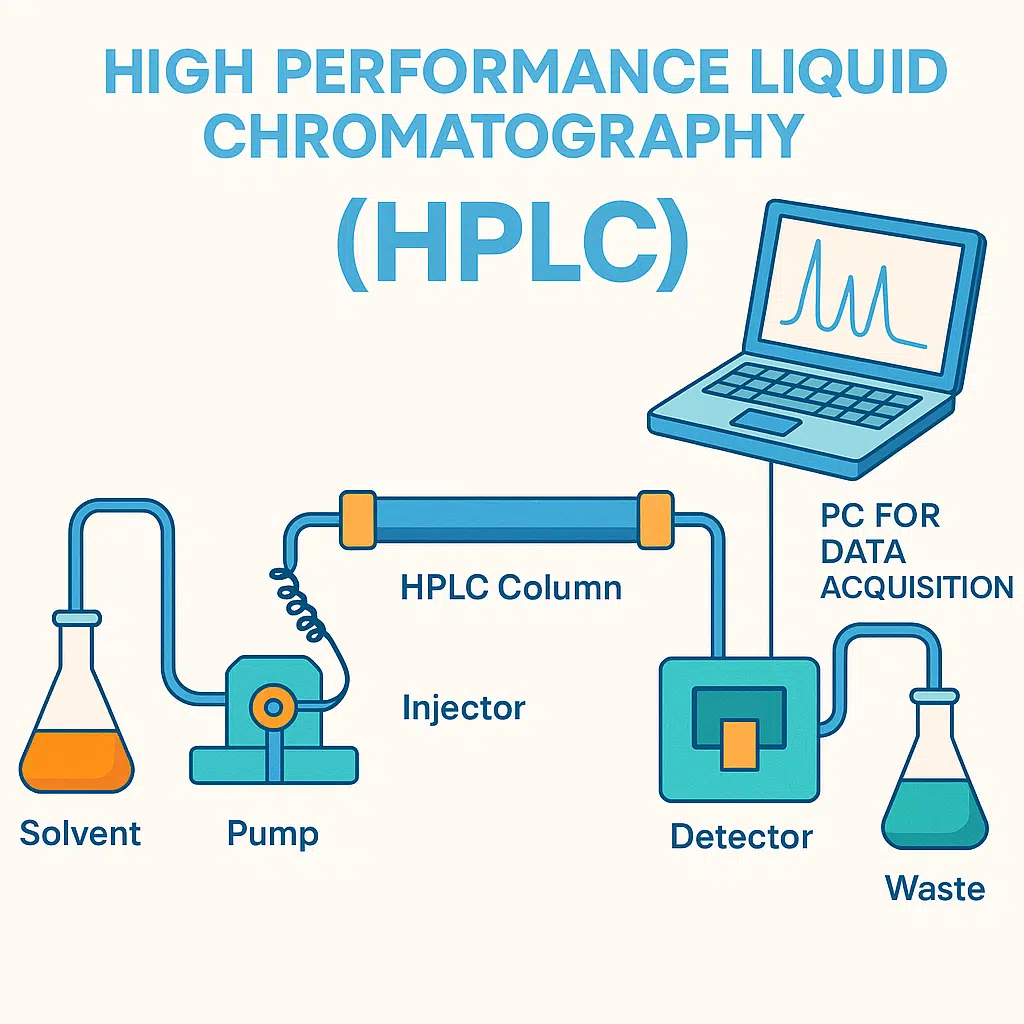
Peptide Pureness & Quantitation Testing Creative Proteomics gives peptide purity evaluation utilizing logical reversed-phase Laboratory Storage HPLC combined with mass spectrometry. They supply MALDI-TOF MS and various other mass spectrometry options routinely. Mass spectrometry (MS) confirms peptide identification by gauging molecular weight. The technique determines the exact mass of the peptide, which serves as a molecular fingerprint. If the measured mass matches the anticipated mass for your peptide series, you have verification that the right compound is present. And the only method to understand what you're in fact getting is with correct logical screening. For research study entailing any kind of biological system (cell culture, in vivo pet designs), endotoxin data is highly appropriate and its lack must be dealt with as an insufficient COA. Third-party screening research laboratories of note in the peptide research supply chain consist of recognized logical chemistry solutions that operate under ISO or equal quality administration frameworks. A COA recognizing the testing research laboratory by name, and for which the testing lab's certification can be individually confirmed, brings substantially extra evidentiary weight than a confidential inner COA. A lot of peptide providers and research study labs rely on numerous well-established analytical techniques. High purity is preferable since also little impurities might hinder experimental outcomes or analyses. Nootropic peptides like Semax and Selank affect main nerve system feature. The stakes of utilizing polluted or misidentified products in cognitive applications necessitate verification financial investment. Peptides like ipamorelin and sermorelin promote all-natural hormone production. Purity matters since impurities may have their very own organic task, confounding outcomes.
Intricate Peptide Frameworks, Hard To Confirm And Quantify
Where can I send my peptides to evaluate for purity?
ACS Peptide Evaluating Labs is a specialist peptide evaluation lab that accepts examples from all 50 states. Whether you need to evaluate peptide pureness, confirm a distributor''s Certificate of Evaluation, or run thorough impurity screening, our lab offers fast, precise outcomes with detailed reporting.
Content Warnings
In case I do not see you, excellent mid-day, good night, and great evening. May your tests stay accurate, your peptides stay pure, and your research study stay validated. Given the popularity of substances discussed in sources like the semaglutide versus tirzepatide comparison, verification makes certain research with the desired compound. Cumulative vigilance improves top quality standards across the market by rewarding high quality vendors and revealing troublesome ones. Conventional testing generally takes 5-7 business days from example receipt. Before dedicating significant money to big amount purchases, checking a sample gives guarantee that the bulk order will meet assumptions.- Testing confirms you're contrasting what you plan to contrast.
- Along with this peptide screening overview, those web pages develop the trust-methodology layer behind the product brochure.
- The high quality and reliability of a peptide pureness dimension depend upon technique criteria and paperwork high quality.
- Not every application demands 99% pureness, and purification is a considerable component of peptide manufacturing expense.
- MZ Biolabs supplies third-party testing solutions referenced by numerous peptide suppliers.
- A chromatogram shows heights representing different compounds detected during HPLC analysis.